Inside this article
Why beautician training stays popular
Beauty and wellness courses attract students who want a practical skill, a creative work environment, and a path that feels visibly career-oriented. For many young women, this route is attractive because they can quickly understand the connection between training and real service work.
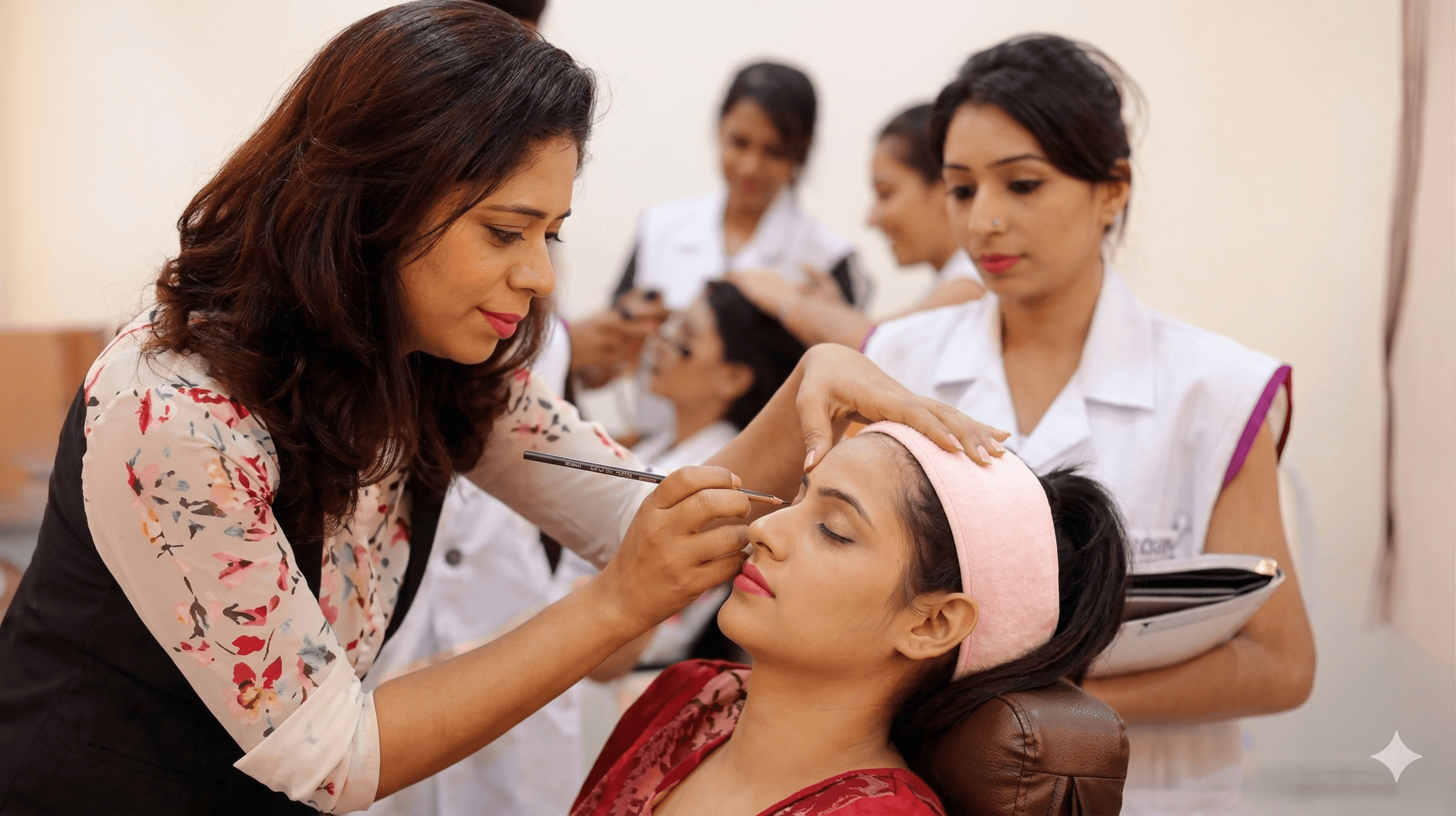
What students often expect from a beautician course
Most learners want more than beauty tips. They want structured training that helps them understand professional service standards, grooming workflows, customer interaction, and day-to-day salon confidence.
- Hands-on beauty service practice
- Workplace hygiene and client handling
- Confidence in professional grooming routines
- A stronger foundation for salon or independent work
Who should consider this route
This course often suits students who enjoy style, presentation, and client-facing creative work. It can also appeal to learners who want a skill-based route that feels practical and personally expressive.
How local students can compare beauty and fashion routes
Beautician and fashion designing are often compared together. The difference usually comes down to the kind of work the student enjoys most. Beauty training is service-oriented and people-facing, while fashion leans more toward design, garment creation, and styling direction.
FAQs
Common questions students and parents ask
Is beautician training only for students who want to work in salons?
Not necessarily. Students enquire for different reasons, including professional salon work, beauty service skills, and future independent ambitions.
What should I ask before joining a beautician course?
Ask about duration, eligibility, what kind of practical learning is included, and how the course prepares students for real service environments.
Can I compare this with fashion designing before choosing?
Yes. Many students compare the two because both are creative, but the nature of the work is different.